

aurelleki · An editorial bathhouse journal
Behind the Bathhouse Doors
Explore the Fascinating World of Women's Bathhouse Rituals
Discover traditional beauty treatments, steam bathing experiences, and modern women's wellness rituals — written with care, told step by step.
A note from the editors
aurelleki is a small editorial project with a simple aim: to explain what actually happens inside a bathhouse — without the marketing gloss, without invented stories, and without pretending to be something we are not.
We are not a spa. We do not sell treatments, schedule appointments, or take bookings. What we publish is knowledge: how a hammam works, where the traditions came from, what a kessa glove is, why a domed ceiling matters, and what to do with your skin afterwards.
Every guide on this site is written for a reader who wants to understand before they experience.
Where to begin
Three rituals most women
Three rituals most women
read about first.

Ritual № 01
Traditional Hammam Ritual
The full ceremony — from the warming room through steam, black soap, exfoliation, foam wash and a long, unhurried rest.
Read the ritual
Ritual № 02
Steam Bath Experience
Why moist heat behaves so differently from dry heat — and how to use it well.
Read the ritual
Ritual № 03
Moroccan Black Soap Ritual
Beldi soap, eucalyptus and the kessa glove — the classic Moroccan cleansing sequence.
Read the ritual
Why it lasts
Four things the ritual does — quietly.
01
Warmth with intention
Moist heat supports circulation and softens the outer layers of skin, which makes every step that follows — cleansing, exfoliation, hydration — significantly more effective.
02
Inherited knowledge
Nothing in a traditional bathhouse is a trend. Each gesture — the steam, the black soap, the kessa mitt — descends from generations of hands-on practice.
03
Shaped to the individual
Modern hammam practice adapts: heat level, pressure and exfoliation depth are adjusted to the skin actually in front of the practitioner — never the other way around.
04
Deliberately slow
No notifications, no clock-watching. A bathhouse ritual remains one of the last spaces designed around patience and unhurried attention.
Reference catalog
Four program archetypes,
Four program archetypes,
explained without exaggeration.
Duration, heat level, focus — laid out plainly so you know what each one involves before you ever walk in.

Interactive
Not sure where to begin?
Seven short questions about your skin, your schedule and the calm you are looking for. The Ritual Finder suggests a direction — and explains the reasoning in plain language.

Continue reading
Three more places to go.
Reference
Beauty & Wellness Guide
History, architecture, sauna versus hammam, preparation, aftercare and safety — six full sections.
Read the guide
Q&A
Frequently Asked Questions
Twelve questions women ask most often before a first visit — answered without evasion.
See the answers
About
Who we are & what we don't do
What aurelleki publishes, what we deliberately avoid, and why this is a journal — not a spa.
Read more
The ritual library
Women's Rituals
Six traditions, described in full — what each one is, why it stands apart, and the sequence of steps as typically practised in a modern women's spa.
01 Traditional Hammam Ritual

The traditional hammam is the direct ancestor of the modern spa treatment and still its fullest expression. It unfolds as a walk through rooms of rising warmth, built around a heated marble platform — the göbek taşı, or "navel stone."
The thinking is simple: raise body temperature slowly, let the skin soften, then cleanse with patience rather than pressure. Between every stage sits a pause, a rinse, and time.
What sets it apart
- Steam, not dry air — noticeably gentler on the airways
- Exfoliation with a textured mitt, never a coarse scrub
- An olive-oil or eucalyptus lather worked into soft clouds
- A gradual return to room temperature, never a shock
The sequence
- Warming roomBegin at moderate warmth so the body has time to adjust and the muscles can loosen.
- Steam roomTen to fifteen minutes in moist heat. Skin softens, pores open, tension begins to leave the shoulders.
- Black soapWarm soap is smoothed over the body and left to work while steam keeps circulating.
- ExfoliationA full-body pass with a kessa mitt, from the limbs inward toward the heart in firm, even strokes.
- Foam washSoap and warm water are whipped into a rich lather to rinse loosened skin away.
- Rest and cool-downA cooler room, linen wraps, water or herbal tea. The ritual closes in quiet, not in activity.
02 Steam Bath Experience
The steam bath is the simplest wellness ritual there is: a warm, damp room, somewhere to sit, and nothing required of you. Where a hammam is a ceremony, this is the same ceremony with the extras peeled away.
Moist heat tends to feel more forgiving than dry heat. Because the air holds so much water, the body sweats freely and the skin stays soft rather than parched — which is why steam is often suggested to anyone who finds saunas too intense.
What sets it apart
- Near-total humidity, at a gentler air temperature than a sauna
- Particularly kind to skin and to the respiratory system
- Short rounds — ten to fifteen minutes at a time
- Pairs well with aromatherapy or a cool rinse between rounds
The sequence
- Hydrate firstDrink water before you begin. Heat and sweating quietly drain fluids.
- Rinse and enterA quick warm rinse prepares the skin. Take a seat and let the breathing settle.
- First roundTen to fifteen minutes. Step out immediately if you feel lightheaded or nauseous.
- Cool rinseA brief cool — not cold — rinse between rounds helps the body find balance.
- Optional second roundIf you feel well, a shorter round deepens the effect. Two rounds are typically enough.
- RestSit quietly for at least ten minutes before dressing.
03 Moroccan Black Soap Ritual
Moroccan black soap — savon beldi — is neither black nor quite soap in the modern sense. It is a soft, olive-oil-based paste traditionally cured with potash, carrying an earthy scent and a texture closer to wet clay than to lather.
In Morocco this is a weekly household habit, not a luxury. It happens in the hammam, with a kessa glove, and it remains one of the most effective — and most respectful — full-body cleanses in the world.
What sets it apart
- Olive-oil base that cleanses without stripping the skin's barrier
- Applied to warm, damp skin and left to soften for several minutes
- Paired with the kessa — a woven mitt used in long, sweeping strokes
- Finished with a mist of rose or orange blossom water
The sequence
- Warm the skinTen minutes in steam so the skin is thoroughly softened before anything touches it.
- Apply beldi soapThe paste is spread across the body and left for five to ten minutes while steam continues.
- RinseWarm water lifts the soap away. Skin already feels softer and more pliable.
- Kessa exfoliationLong, sweeping passes lift the surface layer of dead skin. The stroke should never sting.
- Rinse and repeat if neededA second, lighter pass is sometimes done on arms, legs and back only.
- Finish with floral waterRose or orange blossom water is misted across the skin, followed by a light oil.
04 Gentle Body Exfoliation

Exfoliation is the most misunderstood step in body care. Done aggressively it damages the skin's barrier and creates exactly the sensitivity it was meant to prevent. Done gently and often, it changes how skin looks and feels.
A modern gentle exfoliation ritual is less about scrubbing away and more about preparing skin to receive moisture. The goal is softness — never redness.
What sets it apart
- Pressure tuned to your skin, not to a fixed routine
- Warmth first — exfoliating cold skin is far more irritating
- Short strokes in one direction rather than vigorous circles
- Always followed immediately with hydration
The sequence
- Soften in warm waterFive to ten minutes of warmth is enough. Never exfoliate skin that has not been warmed.
- Choose the right toolA kessa mitt, a soft brush, or a fine sugar or salt polish — chosen for your skin's sensitivity.
- Work in sectionsAnkles and feet first, then calves, thighs, hips, arms, back, and finally shoulders and décolleté.
- Light, even pressureTwo or three passes per area. If the skin stays pink, you have gone too far.
- Rinse thoroughlyWarm water, no soap, to remove every trace of loosened skin.
- Hydrate within three minutesApply oil or cream while the skin is still damp, sealing moisture in.
05 Aromatherapy & Relaxation
Scent reaches the nervous system faster than almost anything else. Long before the word "aromatherapy" existed, bathhouses already understood this: eucalyptus in the steam, rose water after the rinse, orange blossom on the skin.
An aromatherapy ritual uses carefully chosen essential oils — properly diluted — to move the body from alertness into rest. It is a slow, sensory experience built around breathing rather than treatment.
What sets it apart
- Essential oils are always diluted in a carrier first
- Scents are introduced in sequence — one note at a time
- Breathing is guided: longer exhales, deeper pauses
- Often paired with warm steam to carry the aroma through the room
The sequence
- Choose a scent directionCool and clarifying (eucalyptus, mint), floral and softening (rose, neroli), or warm and grounding (cedar, amber).
- Prepare the spaceOils are diffused or added to steam. A small amount goes a long way.
- Begin with breathThree to five minutes of slow, deliberate breathing before any product is applied.
- Warm oil applicationDiluted oil is worked in long, unhurried strokes — back, shoulders, arms, legs.
- Rest under linenTen to fifteen minutes of quiet, covered and warm, letting the body settle.
- Close with waterHerbal tea or cool water, taken slowly, marks the end of the ritual.
06 Modern Skincare Rituals
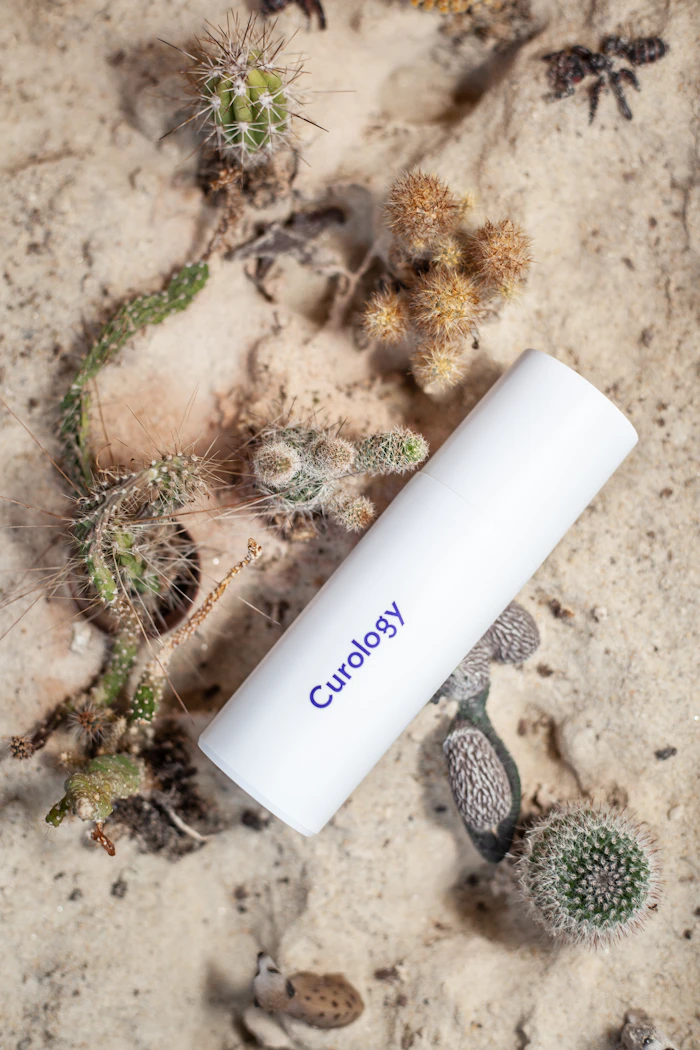
The newest chapter in the bathhouse story is the skincare-led ritual: a treatment centred on the face, neck and décolleté, borrowing the same heat-and-rest logic as a traditional hammam but with a modern cosmetic focus.
These rituals typically combine brief steam, gentle cleansing, a mask and a careful hydration sequence — all designed to leave skin calm rather than stimulated.
What sets it apart
- Steam used briefly and gently, to soften rather than to flush
- Fragrance-free options usually available for reactive skin
- Focus on barrier support: ceramides, hyaluronic acid, squalane
- Actives such as retinoids and acids deliberately left out
The sequence
- Brief steamThree to five minutes only — enough to soften the skin without over-heating it.
- Gentle cleanseA mild, non-foaming cleanser applied with fingertips or a soft cloth.
- Light exfoliation (optional)Only if the skin tolerates it, and only on the body — never on a sensitized face.
- MaskA hydrating or calming mask is applied and left on for ten to fifteen minutes.
- HydrationLayers of serum and cream, pressed into damp skin rather than rubbed in.
- ProtectionThe ritual closes with sun protection for daytime visits — heat increases sensitivity.
Educational content only
These descriptions are provided for general education. They are not medical advice and they do not represent services offered for sale on this website. Always consult a qualified healthcare professional before beginning any heat-based treatment, particularly if you are pregnant or managing a health condition.
Reference catalog
Spa Experiences
Four archetypal programs, mapped by length, heat level and intent. This is a reference catalog for understanding what treatments involve — not a menu of services for sale.
About this catalog
aurelleki does not provide, sell, schedule or broker spa services. No prices, availability or booking options are listed, because no services are offered here. Program descriptions are educational: they explain how treatments are typically structured so you can make informed choices wherever you choose to visit.

Essential Hammam Experience
≈ 45 minThe traditional hammam sequence, distilled to its essential steps. Well-suited to a first experience or as a regular monthly reset.
- Warming room acclimatization
- Steam session, 10–12 minutes
- Black soap application
- Full-body exfoliation with a kessa mitt
- Foam wash and warm rinse
- Short rest with water or tea
Best for: first-time visitors, anyone short on time, and those who want the traditional sequence without add-ons.
Luxury Women's Spa Ritual
≈ 90 minAn extended, unhurried program combining heat, exfoliation, aromatherapy and a generous resting period. Nothing skipped, nothing rushed.
- Extended steam and warming sequence
- Black soap and full-body exfoliation
- Aromatherapy oil application
- Hydrating body mask or wrap
- Scalp and shoulder massage
- Rest period with tea and fruit
Best for: special occasions, deep relaxation, and anyone who prefers a slow, complete experience.

Aromatherapy Steam Journey
≈ 60 minA scent-led ritual built around breathing and gradual temperature change. Gentler than a full hammam, and deeply calming.
- Guided breathing introduction
- Two or three aromatherapy steam sessions
- Cool rinse between rounds
- Warm aromatic oil application
- Rest under linen
- Herbal tea to close
Best for: stress relief, respiratory comfort, and anyone who finds dry heat uncomfortable.

Signature Body Care Experience
≈ 75 minA skin-first program that keeps heat gentle and puts the emphasis on nourishment, barrier support and long-lasting softness.
- Brief, gentle steam
- Soft exfoliation — intensity adjusted to your skin
- Nourishing body mask
- Layered hydration: oil, then cream
- Hand and foot care
- Cool-down and rest
Best for: dry or sensitive skin, cooler months, and anyone who prefers care over intensity.
Comparison
Which program suits
Which program suits
which goal?
| Program | Duration | Heat intensity | Primary focus |
|---|---|---|---|
| Essential Hammam | ≈ 45 min | Moderate to high | Cleansing & exfoliation |
| Luxury Women's Spa Ritual | ≈ 90 min | Moderate, extended | Complete relaxation |
| Aromatherapy Steam Journey | ≈ 60 min | Gentle to moderate | Breathing & calm |
| Signature Body Care | ≈ 75 min | Gentle | Skin nourishment |
Let the Finder
choose for you.
Seven questions. One suggestion. A clear explanation of why it fits.
Interactive
Ritual Finder
Seven short questions about your skin, your time and your preferences. We will suggest the type of spa experience that fits you best — and explain the reasoning.
How the result is calculated
Each answer contributes points to four program archetypes. Your result is the archetype with the highest total. Nothing is stored, transmitted or shared — the calculation happens entirely in your browser.
Reference
Beauty & Wellness Guide
Everything needed to understand bathhouse traditions — where they came from, how a modern hammam is built, how it differs from a sauna, and how to prepare and care for your skin afterwards.
I History of Women's Bathing Traditions
Bathing together is one of the oldest continuous human practices. Wherever people settled near water and heat, they built places to wash communally — and in nearly every culture, women's bathing grew its own customs, rhythms and social meanings.
Roman thermae
Roman public baths were sprawling complexes with hot, warm and cold pools, exercise courts, libraries and gardens. Women bathed in separate hours or separate buildings, and the baths served as much as a social institution as a hygiene facility.
The Ottoman hammam
The hammam turned that idea into architecture. A domed building with a heated marble platform at its centre, lit by small star-shaped openings, it wove steam, water and ritual into a single sequence. Women's hammams became a parallel social world: a place for celebration, mourning, matchmaking, and the transmission of knowledge between generations.
Morocco and the Maghreb
In Morocco, the hammam became a weekly neighbourhood ritual. Families attended together, bringing their own buckets and soap. The beldi soap and kessa glove sequence now sold worldwide as a spa treatment began as ordinary domestic practice.
Northern and Eastern Europe
The Finnish sauna, the Russian banya and the Turkish steam room each developed a distinct relationship with heat. The banya in particular used steam, birch whisks (venik) and cold plunges in a cycle still practised today.
East Asia
Japanese onsen culture and Korean jjimjilbang traditions built elaborate bathing and resting rituals around hot springs and heated rooms, with strong emphasis on communal rest and family time.
What they share
- A sequence of heat, cleansing, cooling and rest
- Separation of bathing spaces by gender or time
- A social function well beyond hygiene
- Knowledge passed down by hand, not by manual
Modern spa culture continues this lineage — with softer lighting, better plumbing, and considerably more choice.
II Inside a Modern Hammam
A hammam is designed around temperature gradients. You move through the building in a specific order, and each room prepares you for the next.
The rooms
- Changing and rest area — cool, dry, where the ritual begins and ends
- Warm room — a first step into heat, so body temperature rises gradually
- Hot room — the heart of the hammam, with the heated marble platform at its centre
- Cool room or plunge pool — a moderated cool-down area, not usually ice-cold
Why the ceiling is domed
The dome is functional, not decorative. As steam condenses on the ceiling, droplets run toward the edges rather than dripping onto bathers below. Star-shaped openings admit light while controlling heat loss, creating the dappled illumination that gives hammams their particular atmosphere.
The heated platform
The göbek taşı is the centrepiece: a large stone platform heated from below by the same system that warms the room. Lying on it lets heat transfer directly into the body, which is why it is used for resting, exfoliation and massage.
The full sequence
- ArrivalChanging, draping with linen, and a few minutes of acclimatization in the cool area.
- WarmingProgressive exposure to increasing heat.
- Steam and soakTen to fifteen minutes of moist heat, with warm water rinses.
- CleansingSoap, exfoliation, and a warm rinse — the working part of the ritual.
- CoolingA gradual return to normal temperature.
- RestLinen, water or tea, and quiet. Often the part people remember longest.
III Sauna vs. Hammam
Both use heat. Almost everything else differs.
Dry heat versus moist heat
A traditional Finnish sauna runs hot and dry — commonly around 150–195°F (65–90°C) with very low humidity. A hammam or steam room runs much cooler in absolute terms — often around 100–115°F (38–46°C) — but with humidity close to 100%.
Humidity changes how heat feels and how the body responds. In dry heat, sweat evaporates quickly and cools you; in moist heat, sweat cannot evaporate, so the heat feels more enveloping and the body works harder to regulate temperature.
Practical comparison
- Sauna: hotter air, shorter sessions, drier skin afterwards, often paired with cold plunges
- Hammam: gentler air temperature, longer sessions, softer skin afterwards, usually paired with cleansing and exfoliation
Which suits whom
- If very hot, dry air feels overwhelming, a steam-based hammam is usually easier to tolerate
- If humidity leaves you breathless, a dry sauna may be more comfortable
- If your goal is soft, exfoliated skin, the hammam sequence is designed for it
- If your goal is short, intense heat exposure, a sauna does it faster
Etiquette differences
Saunas are typically taken nude or in a towel, often in silence, with a shared ladle and bucket. Hammams are usually attended in wrapped linen, involve more conversation, and are staffed by attendants who perform parts of the ritual. Both ask the same thing of you: shower before entering, sit on a towel, and keep the space calm.
IV Preparing for a Visit
Most disappointing spa experiences come down to preparation, not to the treatment. A little planning makes a considerable difference.
In the hours before
- Hydrate. Drink water steadily through the day. Heat and sweating increase fluid loss.
- Eat lightly. A heavy meal within two hours of heat is uncomfortable. So is arriving hungry.
- Avoid alcohol. Alcohol and heat together strain the cardiovascular system.
- Skip strong actives. Avoid retinoids, AHAs and BHAs for 24 hours before exfoliation.
- Arrive early. Fifteen to twenty minutes lets you change, breathe and settle.
What to bring
- A swimsuit or the spa's provided linen wrap
- Sandals or flip-flops for wet floors
- A hair tie and a comb
- Your own toiletries if you have sensitivities
- A change of clothes, and a bag for wet items
Jewellery and valuables
Metal conducts heat and can become uncomfortably hot against skin. Remove rings, necklaces, bracelets and watches before entering any heated area. Use the facility's secure storage for valuables.
Speaking up
Tell your attendant if you are pregnant, heat-sensitive, have a skin condition, or simply prefer less pressure. A good spa will adjust. There is no obligation to tolerate discomfort in order to be polite.
Modesty and comfort
Standards differ by country, region and venue. Many women's spas provide disposable underwear, a linen wrap and a private changing area. If you are unsure, ask when you arrive — it is a completely normal question and staff answer it constantly.
V Skin Care After Heat
The fifteen minutes after you leave the heat matter as much as the ritual itself. Skin is warm, porous and more permeable — which is either an opportunity or a problem, depending on what you do next.
Immediately after
- Rinse with lukewarm water. Not hot, not freezing. Avoid harsh soaps and scrubs.
- Pat dry. Rubbing with a rough towel undoes the smoothing you just achieved.
- Wait five minutes. Let body temperature settle before applying anything.
The hydration window
Apply moisturizer or body oil within about three minutes of patting dry, while the skin is still slightly damp. Look for:
- Humectants that draw in water: glycerin, hyaluronic acid, panthenol
- Emollients that soften: squalane, jojoba, shea butter
- Occlusives that seal: ceramides, lanolin, dimethicone
What to avoid for 24 hours
- Retinoids and prescription acne treatments
- Exfoliating acids (AHA, BHA, PHA)
- Fragranced products on newly exfoliated skin
- Waxing, shaving or depilatory creams
- Hot showers, tight clothing and heavy exercise
Sun protection
Exfoliated, newly exposed skin is more vulnerable to UV damage. If you are going outside after a treatment, apply broad-spectrum SPF 30 or higher, and reapply every two hours.
Hydrate from within
Drink water steadily for the rest of the day. Electrolytes help if you sweated heavily. Skip alcohol for the evening.
VI Safety & Contraindications
Heat-based treatments are generally safe for healthy adults when used sensibly. They are not suitable for everyone, and this section is not a substitute for medical advice.
Talk to a healthcare provider first if you
- Are pregnant, or think you may be
- Have heart disease, uncontrolled high blood pressure, or have had a recent cardiac event
- Have low blood pressure or a history of fainting
- Have diabetes, particularly with neuropathy
- Have a thyroid condition or impaired temperature regulation
- Have had recent surgery, or have unhealed wounds
- Have an active skin infection, rash, or open lesions
- Take medication that affects sweating, blood pressure or alertness
Do not enter a hot room if you
- Have consumed alcohol or recreational drugs
- Feel unwell, feverish, dehydrated or exhausted
- Have just eaten a large meal
Staying safe inside
- Limit sessions to 10–15 minutes at a time
- Leave immediately if you feel dizzy, nauseous, short of breath or faint
- Cool down gradually — do not jump into an ice bath without supervision
- Drink water before, during and after
- Never use heat alone in a facility; tell staff if you have any condition
Signs you should stop
Dizziness, confusion, headache, nausea, rapid heartbeat, chest discomfort or a sudden cold sweat are all reasons to leave the heat immediately, sit down in a cool area, drink water and seek help from staff. If symptoms persist, seek medical attention.
Pregnancy
Most healthcare providers advise pregnant women to avoid prolonged exposure to high heat, particularly in the first trimester. Shorter, cooler sessions may be acceptable, but this should always be discussed with a physician first.
About aurelleki
A journal, not a spa.
An independent editorial project devoted to the history, craft and modern practice of women's bathhouse rituals.
Our Concept
aurelleki exists to answer a simple question: what actually happens behind the bathhouse doors?
Search for a hammam, a steam room or a body ritual and you will find beautiful photography and very little explanation. What is beldi soap? Why is the ceiling domed? How hot is it, really? What should you do with your skin afterwards? Those questions deserve real answers, written clearly and without hype.
What We Publish
- Detailed descriptions of traditional and modern women's rituals, step by step
- A reference catalog of spa program structures, by duration and intent
- An interactive Ritual Finder to help you identify what suits you
- An educational guide covering history, architecture, preparation, aftercare and safety
- A plain-language FAQ covering the questions people are most reluctant to ask
What We Do Not Do
aurelleki is not a spa, salon, booking platform or service provider. We do not offer, sell, schedule, broker or arrange treatments of any kind. We do not list prices, because no services are available for purchase here. Any program described on this website is presented as an educational archetype, not as an offer.
We also do not publish fabricated reviews, invented awards, imaginary certifications or fictional staff biographies. If a claim cannot be supported, it does not appear on this site.
Editorial Approach
Content on this site is written for general education and draws on widely documented bathing traditions and commonly published skincare guidance. It is not medical advice and it does not replace consultation with a qualified healthcare professional — particularly for anyone who is pregnant or managing a cardiovascular, dermatological or metabolic condition.
Our Position on Imagery
Bathhouse culture has historically been treated sensationally. We take the opposite approach. Every visual on this site is modest, respectful and focused on architecture, light, water and craft — never on the body as spectacle.
Questions, corrections or suggestions?
We welcome thoughtful feedback at hello@aurelleki.shop.
Answers
Frequently Asked Questions
Twelve questions women ask most often before a first bathhouse visit.
01 What exactly is a hammam?
A hammam is a bathing house built around moist heat. You move through rooms of increasing temperature, spend time in steam, and complete a cleansing sequence that traditionally involves soap, exfoliation and rinsing. It originated in the Ottoman world and North Africa, and modern spa versions follow broadly the same logic.
02 Is this website a spa? Can I book a treatment here?
No. aurelleki is an educational wellness journal. We publish articles, ritual descriptions and guides. We do not provide, sell or book spa services, and we do not list prices or availability because nothing is offered for sale on this site. If you wish to visit a spa, please contact a licensed facility directly.
03 What should I wear during a hammam or steam ritual?
Practices vary by country and venue. In most Western women's spas you will be given a linen wrap and disposable underwear, and you may keep a swimsuit on if you prefer. In traditional hammams in Turkey and Morocco, bathers typically wear a wrapped cloth. Ask at reception when you arrive — it is the most common question staff receive.
04 Is a hammam the same as a Turkish bath?
In everyday usage, largely yes. "Turkish bath" is the older English term for what is called a hammam in Turkish and Arabic. Modern spas sometimes use "Turkish bath" to describe the architectural style and "hammam ritual" to describe the treatment sequence, but the underlying concept is the same.
05 How hot is a hammam, exactly?
Much cooler than most people expect. Hammam rooms commonly sit around 100–115°F (38–46°C) with very high humidity. A Finnish sauna, by comparison, often runs 150–195°F (65–90°C) but with very low humidity. Because humidity prevents sweat from evaporating, moist heat feels more intense than the number suggests.
06 Can I visit during my period?
Many women do, and many spas accommodate it. If you prefer, use a tampon or menstrual cup, and let your attendant know if you would like to skip any part of the sequence. Some women find heat helpful for cramps; others prefer to wait. Both are entirely normal.
07 Is a hammam suitable for sensitive skin?
Often yes, with adjustments. Tell your attendant about your sensitivity so they can reduce steam time, use lighter pressure, or skip exfoliation altogether. A fragrance-free, hydration-focused program is usually the safest starting point. Avoid a hammam if you have an active rash, infection or broken skin.
08 How often should I have a hammam ritual?
In Morocco, weekly is traditional. In a spa context, most people find once or twice a month comfortable. More frequent exfoliation is not automatically better — it can compromise the skin barrier. If your skin feels tight, stinging or reactive, space the rituals further apart.
09 What is Moroccan black soap, and is it actually black?
Not really. Savon beldi is a soft, olive-oil-based paste traditionally made with potash and left to cure. It ranges from dark olive to near-black depending on the batch. Its texture is closer to wet clay than to conventional soap, and it cleanses without stripping the skin.
10 What is a kessa glove, and do I need one?
A kessa (or kessa mitt) is a coarse woven exfoliating glove used in Moroccan bathing. It is used in firm, sweeping strokes on warm, softened skin. It is effective, but not essential — a soft brush or a fine sugar polish works well for more sensitive skin.
11 Should I shave or wax before a spa visit?
It is better not to. Freshly shaved or waxed skin is more permeable and more sensitive, and exfoliation immediately afterwards can cause irritation or ingrown hairs. Leave at least 24–48 hours between hair removal and any heat or exfoliation treatment.
12 Is a hammam safe during pregnancy?
Most healthcare providers advise against prolonged exposure to high heat during pregnancy, especially in the first trimester. Shorter, cooler sessions may be acceptable, but this is a decision to make with your physician — not with a spa website. If you do attend, tell staff immediately so they can adjust temperature and duration, and leave the heat at once if you feel unwell.
Still have a question?
Write to us at hello@aurelleki.shop and we will consider adding it to this page.
Get in touch
Contact
Questions about our editorial content, corrections, or partnership enquiries — we read every message.
aurelleki
Editorial Office
aurelleki is an independent online publication. We are not a spa and we do not accept bookings or reservations.
- Company aurelleki Studio LLC
-
Address
1247 Valencia Street, Studio 8
San Francisco, CA 94110
United States - Email hello@aurelleki.shop
- Phone +1 (415) 555-0391
- Website aurelleki.shop
-
Hours
Tue – Sat: 10:00 AM – 7:00 PM PT
Sunday: 12:00 PM – 5:00 PM PT
Monday: Closed
The company name, address, telephone number and hours shown above are example details provided for template purposes. Replace them with your own verified business information before this website goes live.
What we can help with
- Questions about any ritual or program described on this site
- Corrections or clarifications to published content
- Permission requests for reproducing our articles
- Advertising and partnership enquiries
What we cannot help with
- Booking or scheduling spa appointments
- Recommending specific spas, salons or practitioners
- Medical or dermatological advice
- Complaints about third-party businesses
Email is best
For the fastest response, write to hello@aurelleki.shop. We typically reply within two business days.
Legal
Privacy Policy
Last updated: January 2025
aurelleki Studio LLC ("aurelleki", "we", "us", "our") operates the website at aurelleki.shop (the "Site"). This Privacy Policy explains what information we collect, how we use it, and the choices available to you. By using the Site, you agree to the practices described below.
1. Information We Collect
Information you provide voluntarily
If you contact us by email, we receive the information you choose to include — typically your email address, your name and the content of your message. We do not require you to create an account, and we do not operate a booking or payment system.
Information collected automatically
Like most websites, our hosting infrastructure may automatically log standard technical data, including your IP address, browser type and version, operating system, referring URL, pages visited and time of visit. This data is used in aggregate to maintain and improve the Site.
Information collected by the Ritual Finder
The Ritual Finder quiz runs entirely in your browser. Your answers are processed locally in JavaScript and are not transmitted to our servers, stored in a database, or shared with any third party. Closing or refreshing the page discards them.
2. Cookies and Similar Technologies
We may use cookies and similar technologies for essential site functionality and for analytics. Third-party services, including advertising partners such as Google, may set their own cookies when you visit the Site.
You can control or delete cookies through your browser settings. Disabling cookies may affect some site functionality but will not prevent you from reading our content.
3. Advertising and Analytics
We may use third-party advertising services, including Google Ads, and analytics services to understand how visitors use the Site. These providers may use cookies or device identifiers to serve advertising based on prior visits to this or other websites.
Google's use of advertising cookies enables it and its partners to serve ads based on your visits to this and other sites. You can opt out of personalized advertising by visiting Google's Ads Settings, or opt out of third-party vendor cookies through aboutads.info.
4. How We Use Information
- To respond to enquiries you send us
- To operate, maintain and improve the Site
- To understand aggregate usage patterns and content performance
- To display advertising that helps fund the publication
- To comply with legal obligations and enforce our terms
5. Legal Bases for Processing (EEA, UK and Switzerland)
Where applicable law requires a legal basis, we rely on: your consent (for non-essential cookies and personalized advertising); our legitimate interests (operating and improving the Site); and compliance with legal obligations.
6. Sharing of Information
We do not sell your personal information. We may share limited data with:
- Service providers who host, maintain or analyze the Site, under confidentiality obligations
- Advertising and analytics partners, as described above
- Authorities, where required by law or necessary to protect rights and safety
- A successor entity in the event of a merger, acquisition or asset transfer
7. Data Retention
Email correspondence is retained for as long as necessary to handle your enquiry and maintain records of our communications. Aggregated analytics data may be retained indefinitely because it does not identify individuals.
8. Your Rights
Depending on your location, you may have the right to:
- Access the personal information we hold about you
- Request correction of inaccurate information
- Request deletion of your personal information
- Object to or restrict certain processing
- Request a portable copy of your data
- Withdraw consent at any time, where processing is based on consent
California residents
Under the CCPA/CPRA, California residents may request disclosure of the categories and specific pieces of personal information collected, request deletion, and opt out of the sale or sharing of personal information. We do not sell personal information. To exercise these rights, contact us at hello@aurelleki.shop.
9. Children's Privacy
The Site is intended for adults. We do not knowingly collect personal information from children under 16. If you believe a child has provided us with personal information, please contact us and we will delete it.
10. International Transfers
Our service providers may store or process data in countries other than your own. Where required, we rely on appropriate safeguards for such transfers.
11. Security
We take reasonable technical and organizational measures to protect information. No method of transmission or storage is completely secure, and we cannot guarantee absolute security.
12. Third-Party Links
The Site may link to external websites. We are not responsible for their content or privacy practices. We encourage you to review the privacy policy of any site you visit.
13. Changes to This Policy
We may update this Privacy Policy from time to time. The "Last updated" date at the top of this page indicates when the most recent revision took effect. Continued use of the Site after changes constitutes acceptance.
14. Contact
For privacy questions or requests, contact:
aurelleki Studio LLC
1247 Valencia Street, Studio 8
San Francisco, CA 94110, United States
Email: hello@aurelleki.shop
Phone: +1 (415) 555-0391
Legal
Terms & Conditions
Last updated: January 2025
These Terms & Conditions ("Terms") govern your access to and use of the website at aurelleki.shop (the "Site"), operated by aurelleki Studio LLC ("aurelleki", "we", "us"). By accessing the Site, you agree to be bound by these Terms. If you do not agree, please do not use the Site.
1. Purpose of the Site
The Site is an educational wellness journal and editorial publication. It provides information about bathhouse traditions, spa rituals and body care practices.
aurelleki is not a spa, salon, clinic, booking platform, marketplace or service provider. We do not offer, sell, schedule, broker or arrange treatments, and no prices, availability or booking functionality are provided on the Site.
2. No Medical Advice
All content on the Site is provided for general informational and educational purposes only. It is not medical advice, diagnosis or treatment, and it does not create a practitioner-patient relationship.
Always consult a qualified healthcare professional before beginning any heat-based treatment, exfoliation routine or body care regimen — particularly if you are pregnant, nursing, or managing a cardiovascular, dermatological, metabolic or other health condition. Never disregard professional medical advice because of something you have read on this Site.
3. Accuracy of Information
We aim to publish accurate, well-researched content and to correct errors promptly. However, bathing practices, spa standards and skincare guidance vary widely by region, venue and individual. We make no warranty that any information on the Site is complete, current or applicable to your circumstances.
4. Intellectual Property
All content on the Site — including text, design, layout, graphics, illustrations and code — is owned by or licensed to aurelleki and is protected by copyright and other intellectual property laws.
You may read, share links to, and quote brief excerpts of our content for non-commercial purposes, provided you attribute the source and link back to the Site. You may not reproduce, republish, distribute, sell or create derivative works from substantial portions of our content without prior written permission.
5. Acceptable Use
You agree not to:
- Use the Site for any unlawful purpose
- Attempt to gain unauthorized access to the Site or its infrastructure
- Introduce malware, viruses or harmful code
- Scrape, harvest or systematically extract content or data
- Misrepresent your identity or affiliation
- Interfere with the normal operation of the Site
6. Third-Party Content and Links
The Site may contain links to third-party websites and may display third-party advertising. We do not control and are not responsible for the content, products, services or privacy practices of third parties. Links do not imply endorsement.
7. Advertising
The Site may display advertising, including through Google Ads. Advertising helps fund the publication. We do not endorse advertised products or services, and any transaction you enter into with an advertiser is solely between you and that advertiser.
8. Disclaimer of Warranties
The Site and all content are provided "as is" and "as available", without warranties of any kind, express or implied, including but not limited to warranties of merchantability, fitness for a particular purpose, accuracy or non-infringement.
9. Limitation of Liability
To the fullest extent permitted by law, aurelleki and its officers, employees and contributors shall not be liable for any indirect, incidental, special, consequential or punitive damages, or any loss of profits, data, goodwill or health outcomes, arising out of or relating to your use of the Site or reliance on its content.
This limitation applies regardless of the theory of liability and even if we have been advised of the possibility of such damages. Some jurisdictions do not allow certain limitations, so parts of this section may not apply to you.
10. Indemnification
You agree to indemnify and hold harmless aurelleki and its officers, employees and contributors from any claims, damages, losses or expenses arising from your use of the Site or your violation of these Terms.
11. Privacy
Your use of the Site is also governed by our Privacy Policy, which is incorporated into these Terms by reference.
12. Changes to the Site and Terms
We may modify, suspend or discontinue any part of the Site at any time without notice. We may also revise these Terms from time to time. The "Last updated" date indicates when the most recent revision took effect. Continued use of the Site after changes constitutes acceptance of the revised Terms.
13. Governing Law
These Terms are governed by the laws of the State of California, United States, without regard to its conflict of law principles. Any dispute shall be subject to the exclusive jurisdiction of the state and federal courts located in San Francisco County, California.
14. Severability
If any provision of these Terms is found unenforceable, that provision will be limited or removed to the minimum extent necessary, and the remaining provisions will remain in full force and effect.
15. Contact
aurelleki Studio LLC
1247 Valencia Street, Studio 8
San Francisco, CA 94110, United States
Email: hello@aurelleki.shop
Phone: +1 (415) 555-0391